
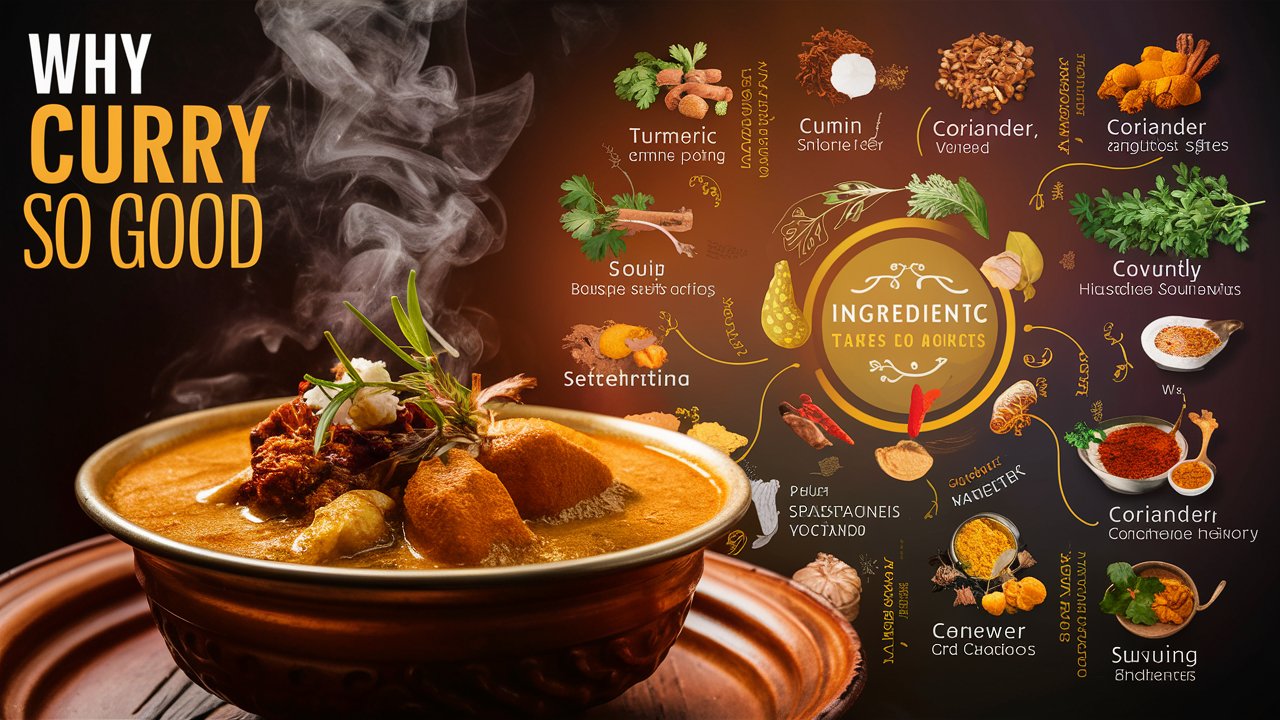
Curry is more than just a dish; it is a symphony of flavors, aromas, and textures that has captured the hearts and palates of people around the world. Whether served in a steaming bowl with rice, slathered over meat, or mixed with vegetables, curry carries a depth of taste that can range from mild and comforting to fiery and intense. But what does curry taste like exactly? The answer is not simple, because curry is not a single flavor—it is a fusion of spices, ingredients, and cultural influences that come together to create a complex and satisfying taste experience. Understanding the taste of curry requires exploring its diverse varieties, ingredients, and the balance of spices that give each curry its unique character.
The Flavor Profile of Curry
Curry is defined by its spices and seasonings rather than a single ingredient, which is why its taste can vary so widely. A traditional Indian curry, for example, may be rich with the earthy warmth of cumin, coriander, and turmeric, enhanced by the subtle sweetness of cinnamon or cardamom. Thai curries often incorporate the fragrant, slightly citrusy notes of lemongrass and kaffir lime leaves, combined with the heat of chili peppers and the creamy sweetness of coconut milk. Japanese curry, in contrast, tends to be milder and sweeter, with flavors of caramelized onions, carrots, and a thick, savory roux that provides a comforting, hearty taste. No matter the origin, the essence of curry lies in the balance between heat, spice, and aroma, creating a taste that is both bold and nuanced.
Spiciness and Heat in Curry
One of the most defining aspects of curry is its heat. Depending on the type and amount of chili used, curry can range from mildly spicy to aggressively hot. The sensation of heat from chili peppers is often complemented by the warmth of spices like ginger and black pepper, which add layers of complexity without overwhelming the palate. Interestingly, the perception of spice can also be balanced by creamy ingredients such as yogurt, coconut milk, or cream, which mellow the heat and allow the other flavors to shine. This balance is key to understanding what curry tastes like, as it demonstrates the delicate harmony between piquancy and savoriness that curry masters strive for.
Aromatics and Their Role in Curry Taste
Aromatics play a critical role in defining the taste of curry. Onions, garlic, ginger, and fresh herbs such as cilantro and mint contribute to both flavor and aroma, engaging multiple senses simultaneously. Toasted spices like mustard seeds, fenugreek, and cumin release oils when cooked, creating a fragrant base that permeates the dish. These aromatic components not only enhance taste but also stimulate the appetite and deepen the culinary experience. The combination of fragrance, spice, and texture is what gives curry its signature allure and makes it a dish that feels as rich in culture as it does in flavor.
Regional Variations in Curry Taste
Curry tastes are heavily influenced by regional ingredients and cooking methods. Indian curries are known for their layered complexity and use of dried spices, whereas Thai curries highlight fresh herbs and coconut milk for a fragrant, lighter taste. Caribbean curries incorporate allspice, Scotch bonnet peppers, and local ingredients like plantains or goat, resulting in a bold and tropical flavor profile. Meanwhile, Japanese curry emphasizes umami and sweetness, often simmered for hours to achieve a rich, comforting depth. Each regional variation provides a different answer to the question, “what does curry taste like?” illustrating the diversity and adaptability of this global culinary phenomenon.
Curry Beyond Taste: Texture and Mouthfeel
The taste of curry is inseparable from its texture and mouthfeel. Some curries are thick and creamy, coating the palate with richness, while others are lighter and broth-like, allowing the flavors of the ingredients to shine individually. Vegetables, meat, and legumes add bite and variety, creating a multi-dimensional experience. The interplay between creamy sauces, tender proteins, and firm vegetables enhances the overall perception of taste, making curry a dish that engages more than just the taste buds—it is a full sensory experience.
Conclusion
Understanding what curry tastes like is an exploration of culture, ingredients, and culinary technique. Its flavor is never singular; it is shaped by spices, heat, aromatics, and texture, resulting in a dish that is as diverse as the regions it comes from. From the earthy, spiced richness of Indian curry to the aromatic, creamy Thai versions and the sweet, comforting Japanese styles, curry’s taste is an intricate balance of flavors designed to delight, surprise, and satisfy. Every bite tells a story of tradition, creativity, and the universal love of bold, harmonious tastes.
FAQ Section
Q1: What is the main taste of curry?
A1: Curry does not have a single taste—it is a combination of spices, heat, and aromatics. Generally, it balances warmth, spiciness, and savoriness, often complemented by sweetness or creaminess depending on the recipe.
Q2: Are all curries spicy?
A2: No, curries vary widely in heat. Indian and Thai curries can be spicy, but Japanese curries are usually mild and sweet. Creamy ingredients can also reduce perceived spiciness.
Q3: What ingredients give curry its flavor?
A3: Key ingredients include spices such as turmeric, cumin, coriander, ginger, garlic, chili, and aromatic herbs. Regional variations may add coconut milk, yogurt, or specific vegetables and proteins.
Q4: Why does curry taste different around the world?
A4: Curry adapts to local ingredients, cooking techniques, and cultural tastes. Indian, Thai, Caribbean, and Japanese curries each highlight different spices, herbs, and textures, creating unique flavor profiles.
Q5: Can curry taste sweet?
A5: Yes, some curries, especially Japanese and certain coconut-based curries, have a mild sweetness from ingredients like onions, carrots, or coconut milk, balancing the spices for a comforting taste.