
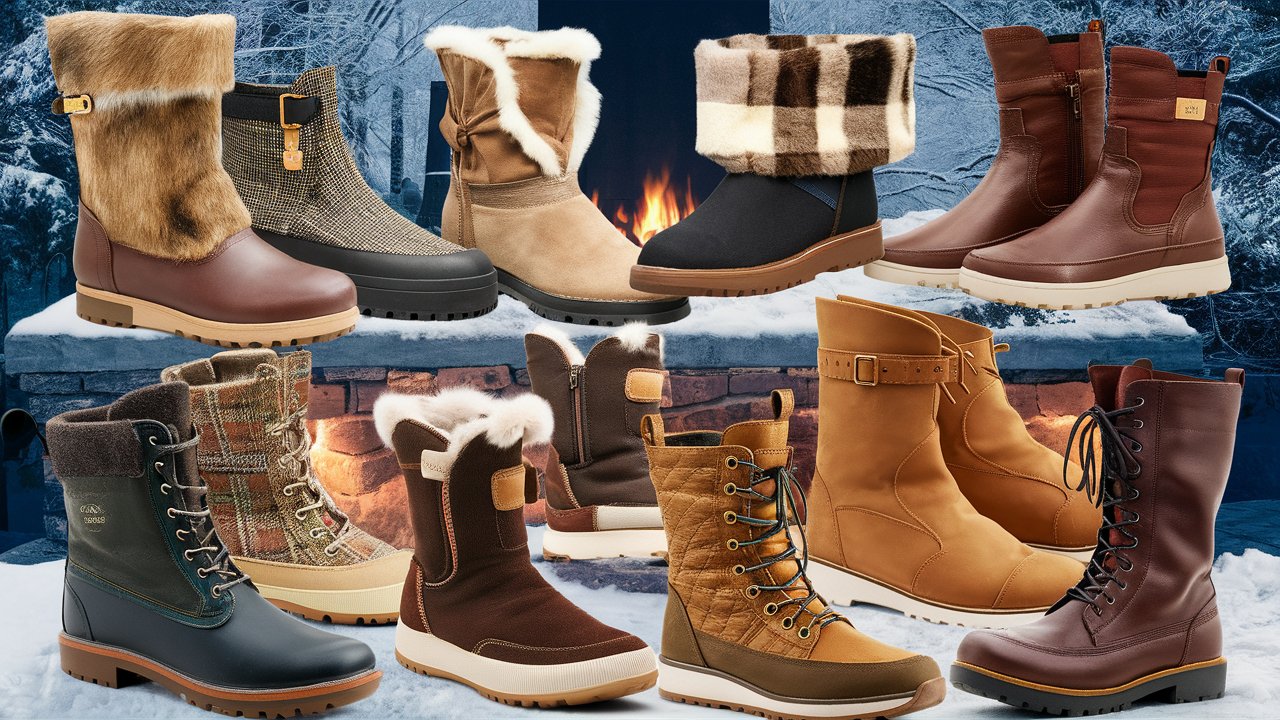
Winter boots are more than just seasonal footwear; they are an essential investment for comfort, safety, and protection during cold weather. As temperatures drop and snow, ice, and rain become common, regular shoes fail to provide the insulation and grip needed to handle winter conditions. High-quality winter boots are designed to keep your feet warm, dry, and stable while also offering durability and style. Whether you are commuting in the city, hiking through snowy trails, or simply dealing with freezing temperatures, choosing the right winter boots can make a significant difference in your daily comfort and health.
With so many styles, materials, and features available, finding the perfect pair of winter boots can feel overwhelming. From waterproof membranes and insulated linings to slip-resistant soles and fashionable designs, each detail serves a specific purpose. This guide will walk you through everything you need to know about winter boots, including types, features, and how to choose the best option for your lifestyle.
What Are Winter Boots and Why Are They Important?
Winter boots are specially designed footwear created to withstand cold, wet, and slippery conditions. Unlike regular boots or sneakers,winter boots wi use advanced materials such as thermal insulation, waterproof coatings, and rugged outsoles to protect your feet from harsh weather. They help retain body heat, prevent moisture from entering, and reduce the risk of slipping on icy surfaces.
The importance of winter boots goes beyond comfort. Prolonged exposure to cold and wet conditions can lead to issues such as frostbite, numbness, and foot fatigue. Proper winter boots provide insulation that regulates temperature while allowing breathability, ensuring your feet stay warm without excessive sweating. For people living in colder climates or traveling during winter months, winter boots are a necessity rather than a luxury.
Types of Winter Boots
There are several types of winter boots, each designed for different activities and weather conditions. Casual winter boots are ideal for everyday wear, offering moderate insulation and stylish designs suitable for urban environments. Snow boots, on the other hand, are built for heavy snowfall and extreme cold, featuring thick insulation, tall shafts, and aggressive traction.
Hiking winter boots are designed for outdoor enthusiasts who need stability and durability on uneven, icy terrain. These boots often include reinforced toes, ankle support, and deep-tread soles. Fashion winter boots focus on appearance while still providing basic warmth and protection, making them perfect for social events or work settings. Understanding these categories helps narrow down your options and ensures you choose boots that match your specific needs.
Key Features to Look for in Winter Boots
When shopping for winter boots, insulation is one of the most important factors to consider. Materials such as Thinsulate, fleece, or wool linings trap heat effectively while remaining lightweight. Waterproofing is equally crucial, especially in snowy or rainy environments. Look for boots made with sealed seams and waterproof membranes to keep moisture out.
Another essential feature is the outsole. High-quality winter boots use rubber soles with deep tread patterns to provide excellent traction on slippery surfaces. A proper fit also plays a major role in comfort and warmth. Boots that are too tight restrict circulation, while overly loose boots allow cold air to enter. Choosing winter boots with adjustable closures or padded collars can significantly improve overall performance.
Winter Boots for Men, Women, and Kids
Winter boots are designed differently for men, women, and children to accommodate varying foot shapes and activity levels. Men’s winter boots often focus on durability and insulation, making them ideal for work or outdoor activities. Women’s winter boots combine warmth and protection with stylish silhouettes, offering both functionality and fashion.
Children’s winter boots prioritize easy wear, lightweight materials, and strong insulation to keep young feet warm during play. Many kids’ boots also feature quick fastenings like Velcro or elastic laces, making them convenient for daily use. Selecting boots tailored to the wearer ensures maximum comfort and long-term satisfaction.
How to Choose the Right Winter Boots
Choosing the right winter boots starts with understanding your climate and daily activities. For mild winters, lightweight insulated boots may be sufficient, while extreme cold requires heavy-duty snow boots. Consider how often you will be outdoors and whether you need boots for walking, working, or recreational use.
It is also important to balance function and style. While performance should always come first, modern winter boots offer designs that look good without sacrificing protection. Trying boots on with winter socks and walking around to test comfort and flexibility can help you make the best choice.
Conclusion
Winter boots are an essential part of any cold-weather wardrobe, offering warmth, protection, and confidence during harsh conditions. By understanding the different types, key features, and proper fit, you can choose winter boots that meet your needs and last for many seasons. Whether you value durability, comfort, or style, investing in high-quality winter boots ensures your feet remain safe and comfortable throughout winter.
With the right pair of winter boots, you can enjoy snowy days, icy sidewalks, and freezing temperatures without discomfort. Making an informed decision not only improves your daily experience but also protects your health during the coldest months of the year.
Frequently Asked Questions (FAQ)
Q1: Are winter boots necessary if it doesn’t snow much?
Yes, winter boots are still important in cold and wet conditions. They provide insulation and waterproof protection that regular shoes cannot offer, even without heavy snowfall.
Q2: How long should winter boots last?
High-quality winter boots can last several years if properly maintained. Durability depends on materials, usage frequency, and care.
Q3: What is the best insulation for winter boots?
Popular insulation materials include Thinsulate, wool, and synthetic linings. The best option depends on temperature levels and personal comfort preferences.
Q4: Can winter boots be worn for hiking?
Yes, but it’s best to choose winter hiking boots specifically designed for traction, ankle support, and insulation on snowy trails.
Q5: How do I keep my winter boots in good condition?
Clean them regularly, dry them naturally, and store them in a cool, dry place. Applying waterproof treatments can also extend their lifespan.