
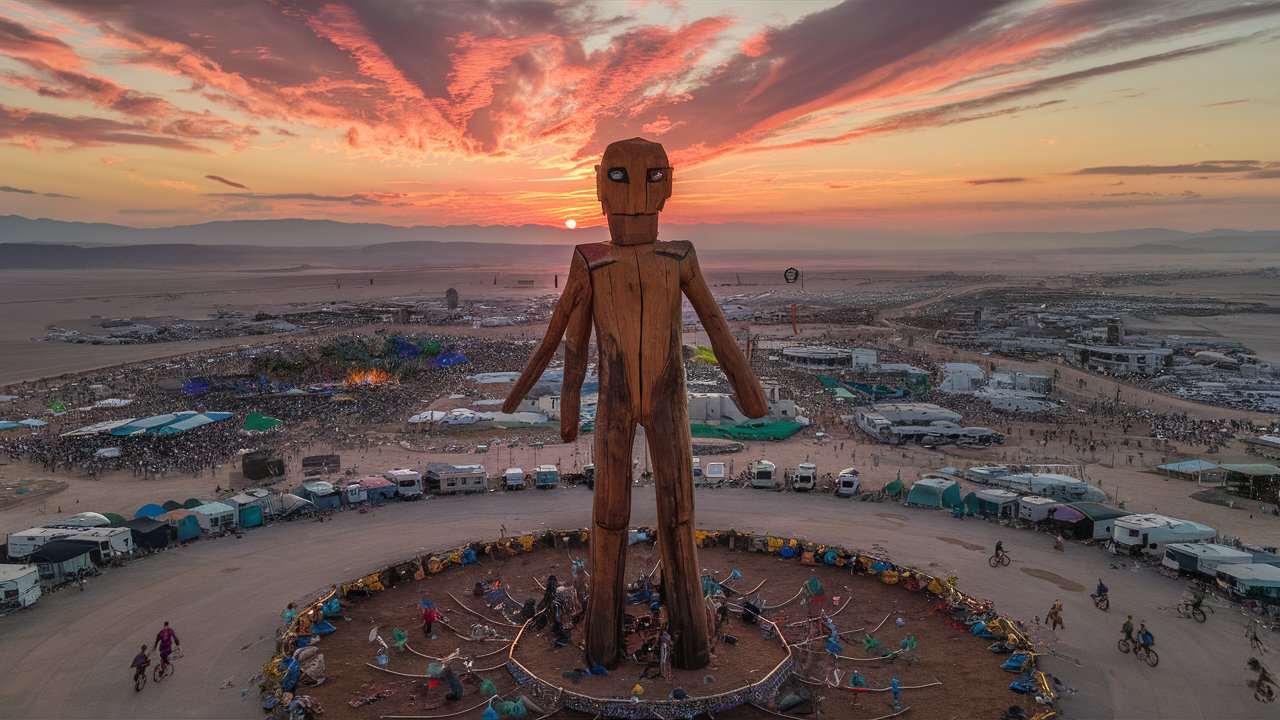
Burning Man is more than just a festival; it is a cultural phenomenon that draws tens of thousands of people from around the world to the Nevada desert each year. Often described as an immersive, experimental city that exists for only one week, Burning Man combines radical self-expression, art, community, and creativity in ways that few other events in the world can match. But what is Burning Man really about, and why has it grown from a small gathering on a San Francisco beach in 1986 to a massive desert spectacle attracting over 70,000 participants? In this article, we’ll explore the origins, principles, experiences, and practical tips for anyone interested in understanding or attending this iconic festival, ensuring you get a complete picture of what makes Burning Man so extraordinary.
The Origins and History of Burning Man
Burning Man began in 1986 when a small group of friends decided to burn a wooden figure on San Francisco’s Baker Beach, sparking a ritual that would evolve into a cultural movement. Over the years, the festival moved to the Black Rock Desert in Nevada, where the harsh desert landscape became the perfect canvas for large-scale art installations, performances, and experimental living. Unlike typical music festivals, Burning Man emphasizes participation over spectating; attendees, known as “Burners,” are encouraged to actively contribute to the community, whether through art, volunteering, or creative performances. The festival is guided by ten core principles, including radical self-expression, communal effort, and leaving no trace, which together create a temporary society built on creativity, collaboration, and sustainability.
The Core Principles and Philosophy
At its heart, Burning Man is built on principles that challenge conventional norms and encourage a deeper sense of community and personal responsibility. The festival encourages radical inclusion, where everyone is welcome, and gifting, where commercial transactions are replaced with sharing and generosity. Art is central, not just in the form of sculptures or installations but in the ways people design their camps, costumes, and experiences. This philosophy fosters an environment of radical self-expression, where participants can explore identity, creativity, and social interaction without the pressures of mainstream society. Moreover, leave no trace ensures that despite the massive scale, the desert returns to its natural state, reflecting the festival’s commitment to environmental responsibility.
Experiencing Burning Man: Art, Music, and Community
Burning Man is a feast for the senses, offering a surreal combination of visual art, interactive performances, music, and workshops. Giant wooden sculptures are set aflame during the event, symbolizing impermanence and creative rebirth. Participants can engage in spontaneous street performances, interactive art, or theme camps that host unique experiences ranging from meditation circles to avant-garde musical shows. The community aspect is equally vital: people build strong social bonds in this temporary city, sharing resources, skills, and inspiration. Each day presents opportunities for discovery, connection, and self-reflection, making Burning Man not just an event but a transformative personal experience that lingers long after the desert dust settles.
Planning Your Visit: Tips and Practical Advice
Attending Burning Man requires careful preparation due to its remote desert location and the self-reliance ethos of the event. Participants must bring their own food, water, shelter, and survival gear while adhering to the principle of self-reliance. Tickets are limited and can sell out quickly, so planning in advance is crucial. Understanding the desert environment, from extreme heat during the day to freezing temperatures at night, ensures a safe and enjoyable experience. Many Burners recommend arriving early to set up camps, participate in community-building, and acclimate to the festival’s unique rhythm. While challenging, the experience is immensely rewarding, offering a rare chance to disconnect from modern life and immerse oneself fully in art, creativity, and human connection.
Conclusion
Burning Man is far more than a festival; it is a living experiment in community, creativity, and radical self-expression. From its humble beginnings on a San Francisco beach to a massive desert city brimming with art, music, and interactive experiences, it challenges participants to engage, contribute, and explore in ways that are truly unique. Understanding what Burning Man is, its principles, and how to prepare for it transforms the experience from a simple visit into a life-enriching journey. Whether you are drawn to the art, the community, or the adventure, Burning Man represents a space where imagination, connection, and individuality converge under the vast Nevada sky.
FAQ: Burning Man
Q1: When is Burning Man held each year?
A: Burning Man typically takes place in late August through early September, concluding on Labor Day weekend in the Nevada desert.
Q2: How much does it cost to attend Burning Man?
A: Ticket prices vary depending on the sale phase, ranging from approximately $200 to $1,400. Additional costs for travel, camping gear, food, and supplies should also be considered.
Q3: Can anyone attend Burning Man?
A: Yes, Burning Man welcomes people from all walks of life, but participants must respect the festival’s principles and prepare to be self-reliant in the desert environment.
Q4: What is the “Leave No Trace” principle?
A: This principle requires all participants to remove everything they bring to the festival, leaving the desert as pristine as they found it, ensuring environmental sustainability.
Q5: Do I need to bring my own food and water?
A: Absolutely. Participants are responsible for their own survival supplies, including food, water, and shelter. There are no commercial vendors at Burning Man.