
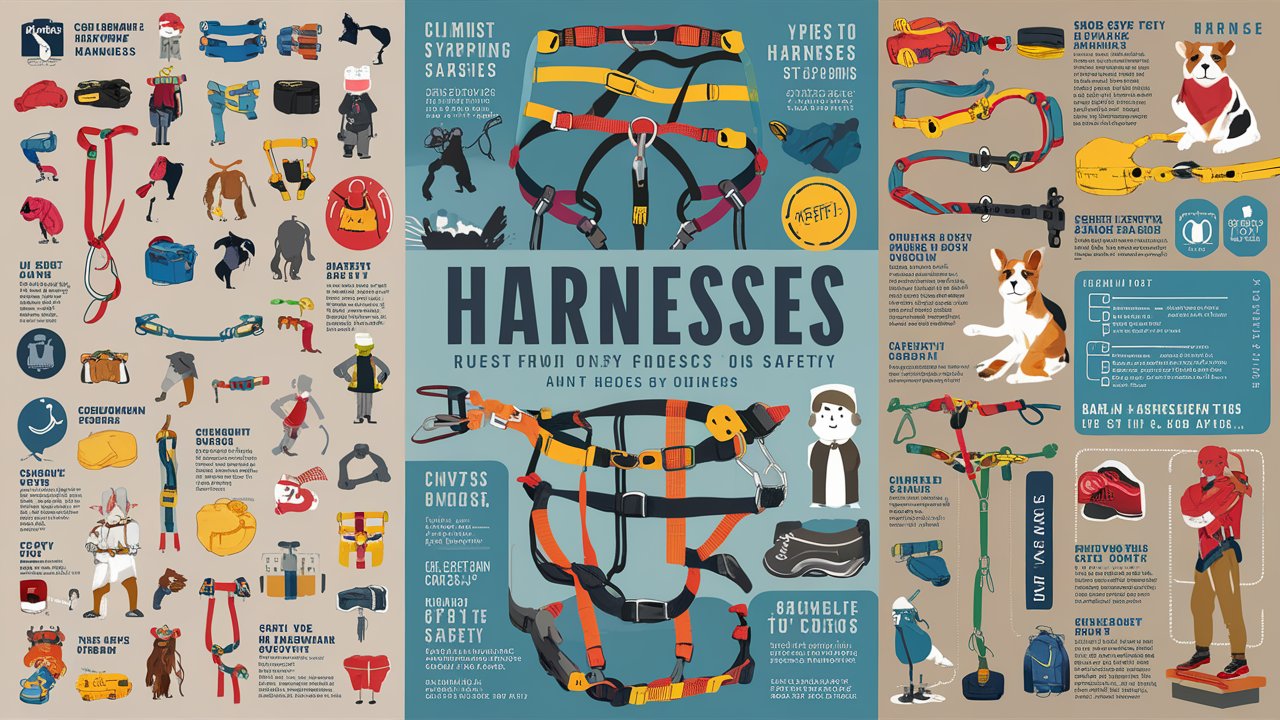
A harness is more than just a tool—it is a crucial device designed to ensure safety, control, and comfort across a wide range of applications, from adventure sports to industrial work and even pet care. With the increasing popularity of activities like climbing, zip-lining, construction work, and dog walking, understanding the types, uses, and proper safety measures for harnesses has never been more important. In this guide, we’ll explore everything you need to know about harnesses, their benefits, how to choose the right one, and essential safety tips to prevent accidents and maximize efficiency.
Types of Harnesses and Their Uses
Harnesses come in various designs, each tailored to specific activities and requirements. Climbing harnesses are engineered to support the human body during vertical ascents, distributing weight evenly to prevent strain and injury. These are typically padded around the waist and legs, equipped with gear loops for carabiners, and adjustable for a snug fit. For industrial and construction work, safety harnesses protect workers from falls when operating at heights. They often include full-body support, lanyards, and anchor points for secure attachment.
Beyond human applications, pet harnesses have gained immense popularity among pet owners. Unlike traditional collars, these harnesses reduce strain on a pet’s neck, provide better control, and improve walking behavior. They are especially beneficial for dogs with respiratory issues or small breeds prone to tracheal injuries. Specialized harnesses are also used in sports and adventure activities, such as zip-lining, paragliding, and slacklining, where safety and freedom of movement are equally critical. Each type of harness is designed with the principle of distributing force, ensuring both safety and comfort during use.
How to Choose the Right Harness
Selecting the appropriate harness depends on the intended use, size, and safety requirements. For work-related harnesses, ensure they meet industry standards like OSHA or ANSI certifications. Check for adjustable straps, sturdy buckles, and load capacity. In the case of climbing or outdoor adventure harnesses, comfort, weight, and durability are key. Padded harnesses with breathable materials reduce discomfort during prolonged use, while reinforced stitching ensures longevity under stress.
For pets, the fit is crucial. A well-fitted harness should be snug but not tight, allowing full mobility without chafing. Some harnesses are designed for easy on-and-off functionality, which is perfect for active pets or daily walks. Regardless of the type, always read the manufacturer’s guidelines, check for quality materials, and never compromise on safety features.
Harness Safety Tips
Proper use of a harness is essential for preventing accidents. For human harnesses, always inspect straps, buckles, and stitching for wear before every use. Anchor points must be stable and rated for the intended load. When climbing, double-check carabiner connections and ensure the harness is adjusted correctly to avoid slippage. In work settings, training on harness usage and fall-rescue procedures can be life-saving.
For pet harnesses, ensure your pet is comfortable and acclimated before walks. Never attach a leash to a harness not designed for control, as this can lead to injuries. For extreme sports, always follow manufacturer instructions and safety protocols, including wearing helmets, gloves, and other protective equipment. By following these safety practices, harnesses become not just useful tools, but essential protective devices.
Benefits of Using a Harness
The benefits of harnesses are multifaceted. They enhance safety, reduce the risk of injuries, and improve control during activities. In professional and industrial settings, harnesses protect workers from falls that could otherwise be fatal. For adventure enthusiasts, harnesses provide confidence and stability, allowing full engagement in activities without fear of accidents. Pet owners benefit from harnesses by enjoying safer, more controlled walks with their pets, leading to happier, healthier animals. The versatility of harnesses makes them indispensable across multiple domains, blending safety, comfort, and functionality into a single device.
Conclusion
Harnesses are indispensable tools that span a variety of applications—from human safety in workplaces and adventure sports to better pet management. Understanding the types, benefits, and proper usage of harnesses is crucial for safety, comfort, and efficiency. By choosing the right harness, adhering to safety protocols, and maintaining proper care, you can maximize both performance and protection. Harnesses truly embody the principle of combining security with freedom, whether you are climbing a mountain, working at height, or walking your dog.
FAQ
Q1: What is the most important feature in a harness?
A: Safety and proper fit are the most critical features. The harness should distribute force evenly, prevent slipping, and be comfortable for prolonged use.
Q2: Can I use a pet harness for training purposes?
A: Yes, pet harnesses are excellent for training as they provide control without straining the animal’s neck, especially for active or strong dogs.
Q3: How often should I inspect my harness?
A: For human harnesses, inspect before every use. Check for fraying, loose stitching, or damaged buckles. For pet harnesses, inspect regularly for wear and proper fit.
Q4: Are all climbing harnesses suitable for adventure sports?
A: Not necessarily. Adventure sports may require specialized harnesses with extra mobility, padding, or attachment points. Always check manufacturer recommendations.
Q5: How do I choose the correct size for a harness?
A: Measure your waist, chest, or pet girth, depending on the harness type, and compare it to the sizing chart provided by the manufacturer. Adjust straps for a snug but comfortable fit.