
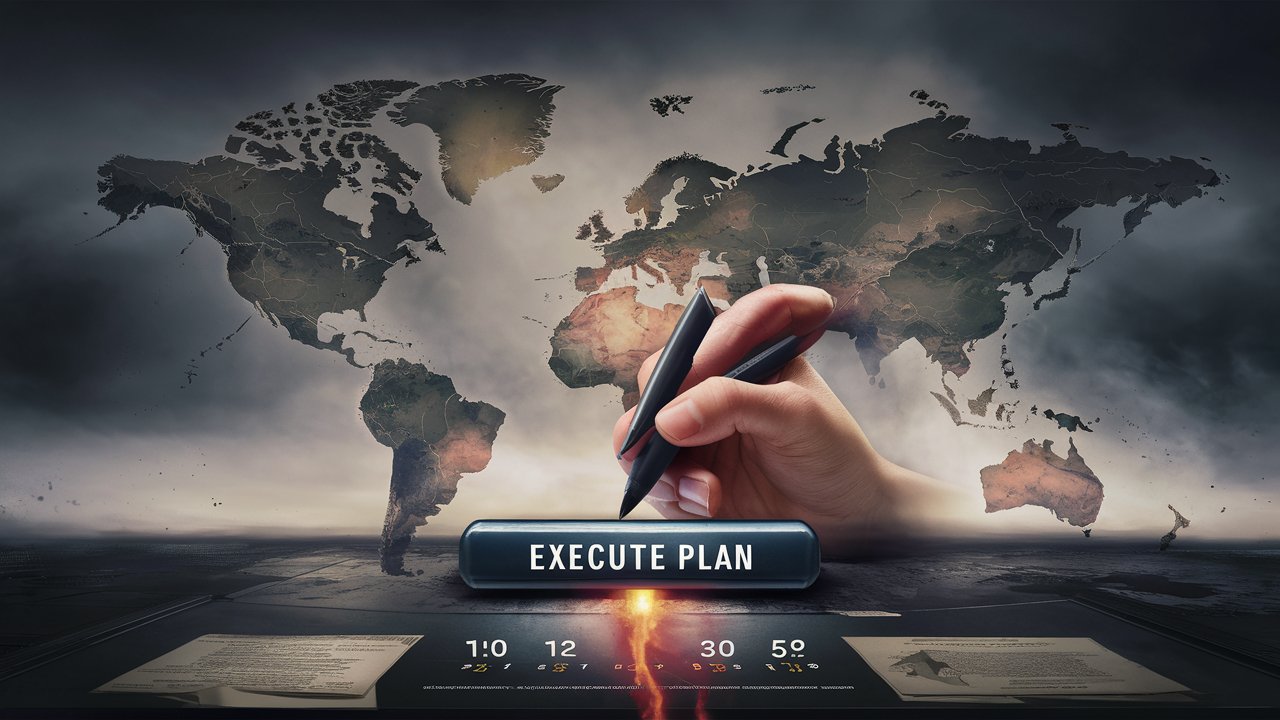
The concept of nuclear warfare has long been one of the most alarming and fascinating aspects of modern history. While the real-world implications of nuclear weapons are terrifying, nuclear war simulators offer a safe and interactive way to explore the strategies, consequences, and global dynamics of nuclear conflict. These simulators allow users to engage in decision-making, manage military resources, and observe the outcomes of hypothetical scenarios without real-world risk. From educational simulations that help understand geopolitical tensions to immersive games that test strategic thinking, nuclear war simulators have gained immense popularity among both gamers and researchers. Understanding these simulators can provide deep insights into global security, human psychology during conflict, and the devastating power of nuclear weapons.
What Is a Nuclear War Simulator?
A nuclear war simulator is a digital or tabletop tool designed to recreate the conditions and consequences of nuclear conflict. It allows players or users to simulate the deployment of nuclear weapons, defensive strategies, and post-attack scenarios in a controlled environment. Modern simulators combine realistic physics, historical data, and predictive models to provide users with a vivid understanding of how nuclear warfare unfolds. Many simulators offer scenarios ranging from single-country conflicts to full-scale global nuclear exchanges, giving players the opportunity to experiment with strategy, diplomacy, and military tactics. While the primary goal is educational or entertainment-focused, these simulations often highlight the devastating human and environmental consequences of nuclear war, providing users with a sobering yet highly informative experience.
Key Features of Modern Nuclear War Simulators
Modern nuclear war simulators have evolved far beyond simple strategy games. They often include:
-
Realistic Global Maps: Detailed representations of countries, cities, and military assets allow players to plan strategic attacks and defenses.
-
Nuclear Physics Models: Accurate simulations of blast radius, fallout, and radiation help users understand the destructive power of nuclear weapons.
-
Resource Management: Players must balance military resources, logistics, and political decisions to succeed in complex scenarios.
-
Multiplayer Strategy: Some simulators allow multiple players to take on roles of world leaders, testing negotiation, diplomacy, and decision-making under pressure.
-
Educational Insights: Many simulators provide historical context and lessons about global security, helping students and researchers grasp the real-world implications of nuclear conflict.
These features make nuclear war simulators not just games but powerful tools for education, strategic thinking, and global awareness.
Benefits of Using a Nuclear War Simulator
While the subject of nuclear war is inherently grim, simulators provide several benefits:
-
Enhanced Strategic Thinking: Players learn to evaluate complex scenarios, weigh consequences, and develop multi-layered strategies.
-
Educational Value: By simulating historical or hypothetical conflicts, users gain a deeper understanding of geopolitical tensions and military tactics.
-
Safe Experimentation: Simulators provide a risk-free environment to explore potentially catastrophic outcomes, promoting learning without real-world consequences.
-
Raising Awareness: By visualizing the impact of nuclear weapons on populations and environments, simulators increase understanding of humanitarian and environmental concerns.
-
Engagement and Entertainment: Many simulators combine strategy, decision-making, and problem-solving into an interactive experience that is intellectually stimulating and captivating for users.
Overall, nuclear war simulators serve as both an educational resource and a source of strategic entertainment, bridging the gap between gaming and real-world learning.
Conclusion
Nuclear war simulators are more than just games; they are powerful tools for learning, strategy development, and global awareness. They offer players and researchers alike a chance to explore the intricate dynamics of nuclear conflict, understand its catastrophic consequences, and practice strategic decision-making in a safe environment. Whether used for education, research, or immersive gameplay, these simulators provide a unique lens through which to examine one of humanity’s most serious challenges. By engaging with nuclear war simulators, we not only gain insight into military tactics but also cultivate a deeper appreciation for the importance of global diplomacy and conflict prevention.
FAQ: Nuclear War Simulator
Q1: Are nuclear war simulators safe to use?
Yes. Nuclear war simulators are entirely digital or tabletop-based and do not involve real weapons. They provide a safe environment to explore nuclear strategy and consequences.
Q2: Can nuclear war simulators teach real-world strategy?
Absolutely. Many simulators use realistic maps, historical data, and predictive models that help users understand strategic planning, decision-making, and global security.
Q3: Are these simulators suitable for students?
Yes. They are excellent tools for students studying history, political science, international relations, and military strategy, offering both educational value and interactive engagement.
Q4: Can I play nuclear war simulators with friends?
Many modern simulators offer multiplayer options where users can take on roles of world leaders or military strategists, enhancing both competition and collaborative learning.
Q5: What is the most realistic nuclear war simulator available?
Several advanced simulators incorporate real-world physics, historical data, and global scenarios. Popular options often include strategy-focused games and educational tools used in academic settings.