
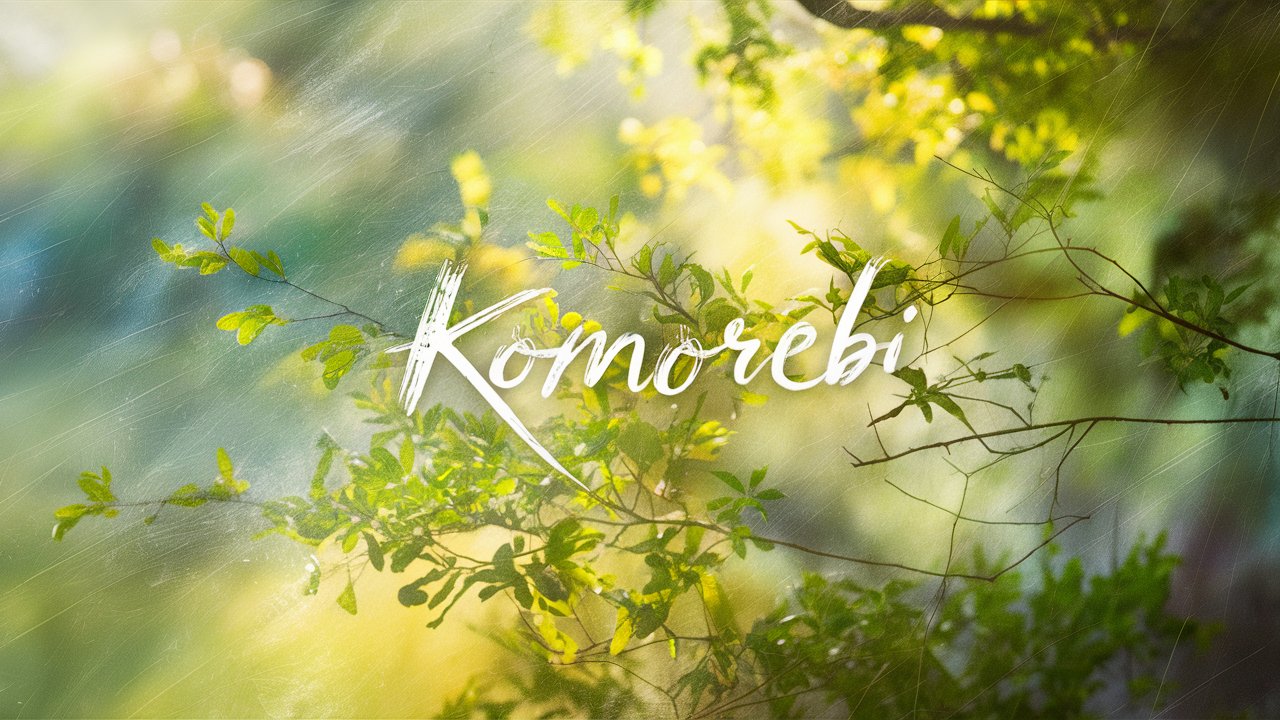
Language has a unique power to capture emotions, moments, and experiences that sometimes cannot be fully expressed in other forms. One such beautiful and poetic word is komorebi, a Japanese term that has gained global attention for its deep meaning and aesthetic charm. Unlike many common words, komorebi does not simply describe an object or action; instead, it captures a fleeting moment of natural beauty that resonates deeply with human emotion. As more people search for meaningful and untranslatable words, komorebi meaning, komorebi Japanese word, and what is komorebi have become increasingly popular search queries on Google. This article explores the meaning, origin, symbolism, cultural relevance, and modern usage of komorebi in a detailed and engaging way.
What Is Komorebi? Understanding the Meaning of Komorebi
The word komorebi (木漏れ日) is a Japanese term that describes sunlight filtering through the leaves of trees. While this may sound simple at first, the meaning of komorebi goes much deeper. It represents a specific natural phenomenon where light gently passes through branches and leaves, creating soft patterns of brightness and shadow on the ground. In Japanese culture, komorebi is appreciated not just as a visual effect but as an emotional experience that symbolizes peace, impermanence, and harmony with nature.
Unlike English, which often requires a full sentence to describe this moment, the Japanese language condenses this experience into one elegant word. This is why komorebi definition is often cited as an example of how Japanese vocabulary reflects mindfulness and awareness of nature. The concept reminds people to slow down and notice the quiet beauty present in everyday life, making it especially appealing in today’s fast-paced digital world.
Komorebi Japanese Word: Origin and Linguistic Breakdown
To fully understand komorebi, it helps to look at the structure of the word itself. The Japanese word komorebi is made up of three kanji characters: 木 (ki) meaning tree, 漏れ (more) meaning to leak or escape, and 日 (bi) meaning sunlight or day. Together, these characters literally translate to “sunlight leaking through trees,” which perfectly captures the imagery behind the word.
The origin of komorebi lies deeply in traditional Japanese culture, where nature has always played a central role in art, poetry, and philosophy. Classical Japanese literature frequently highlights small, transient moments in nature, emphasizing the beauty of things that do not last forever. This idea aligns with the philosophical concept of mono no aware, which reflects an awareness of impermanence. As a result, komorebi Japanese meaning is not only visual but also philosophical, representing the gentle passage of time and the quiet emotions it evokes.
Cultural Significance of Komorebi in Japanese Life
In Japanese culture, komorebi is more than just a word; it is a reflection of how people interact with the natural world. Traditional Japanese gardens, temples, and forest paths are often designed to highlight the experience of sunlight filtering through trees. This intentional design allows visitors to naturally encounter komorebi, encouraging contemplation and inner calm.
The cultural significance of komorebi can also be seen in Japanese poetry, particularly haiku, where poets aim to capture a single moment in nature with emotional depth. Komorebi fits perfectly into this tradition because it represents a quiet, fleeting moment that cannot be recreated in exactly the same way. This is why komorebi symbolism is often associated with serenity, balance, and emotional awareness, values that are deeply rooted in Japanese society.
Why Komorebi Has Become Popular Worldwide
In recent years, komorebi has gained popularity outside Japan, especially among artists, writers, photographers, and mindfulness enthusiasts. As people around the world search for words that express feelings beyond literal definitions, komorebi word meaning stands out as something unique and beautiful. Social media platforms, blogs, and aesthetic communities frequently reference komorebi as a symbol of calm and natural beauty.
Another reason for its popularity is the growing interest in untranslatable words. People are fascinated by the idea that some languages capture emotions or moments that others cannot easily express. As a result, searches like komorebi aesthetic, komorebi meaning in English, and Japanese untranslatable words komorebi have increased significantly. The word resonates with those seeking mindfulness, creativity, and a deeper connection with nature.
Komorebi in Art, Photography, and Modern Media
Komorebi has become a powerful source of inspiration in modern creative fields. Photographers often aim to capture the soft interplay of light and shadow in forests or parks, describing their work as inspired by komorebi. Artists and illustrators use the concept to evoke warmth, nostalgia, and tranquility in their visuals.
In literature and media, komorebi is sometimes used metaphorically to represent hope, fleeting happiness, or moments of clarity in life. Even in branding and design, the term is used to convey natural elegance and simplicity. The rise of komorebi aesthetic meaning in digital art and lifestyle content shows how a traditional Japanese concept has found relevance in the modern world.
Conclusion
Komorebi is more than just a Japanese word; it is a poetic expression of how humans experience nature, light, and time. By describing sunlight filtering through trees, komorebi captures a moment that is both ordinary and extraordinary. Its growing global popularity highlights a shared human desire to slow down and appreciate subtle beauty in everyday life. Whether explored through language, culture, art, or philosophy, komorebi meaning continues to inspire people around the world to reconnect with nature and find peace in small, fleeting moments.
Frequently Asked Questions (FAQ)
What does komorebi mean in English?
Komorebi means sunlight filtering through the leaves of trees. There is no single English word that fully captures this meaning.
Is komorebi a commonly used Japanese word?
Yes, komorebi is a real and recognized Japanese word, although it is used more poetically than in daily conversation.
Why is komorebi considered untranslatable?
Komorebi is considered untranslatable because English requires a full descriptive phrase to explain what the single Japanese word expresses.
What does komorebi symbolize?
Komorebi symbolizes peace, impermanence, mindfulness, and the quiet beauty found in nature.
Why is komorebi popular on social media?
Komorebi is popular because it aligns with aesthetic trends, mindfulness culture, and the global interest in meaningful, untranslatable words.