
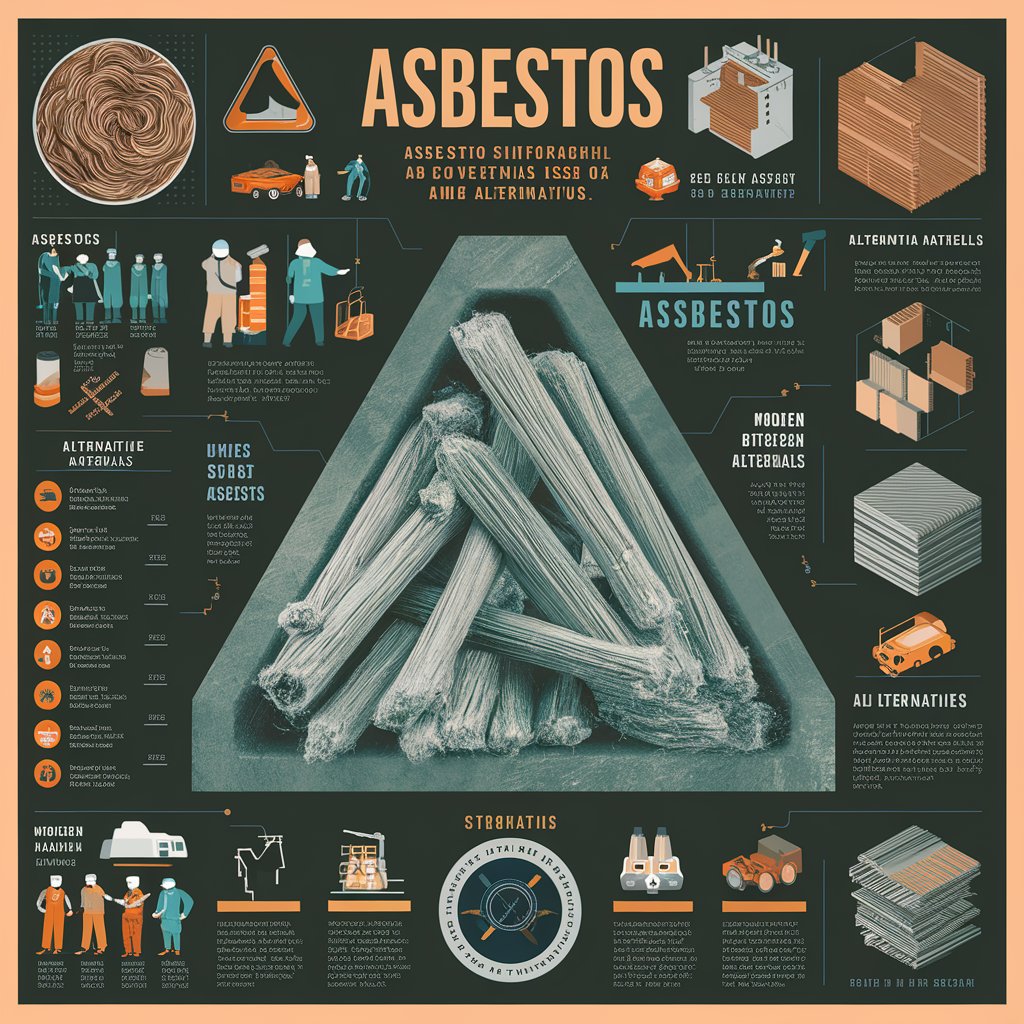
Asbestlint is a term historically associated with heat-resistant and fireproof sealing materials that were widely used in industrial, construction, and mechanical applications. For decades, asbestlint was valued for its durability, insulating properties, and ability to withstand extreme temperatures and pressure. We examine asbestlint not only as a material but as a product of its time, shaped by industrial demands and limited material science alternatives. Today, the subject of asbestlint requires a balanced understanding that includes its historical importance, practical uses, health implications, and the transition toward safer modern substitutes.
What Asbestlint Is and How It Was Used
Asbestlint refers to sealing tapes, cords, or strips made with asbestos fibers, often combined with binders to enhance flexibility and strength. These materials were commonly used to seal joints, flanges, pipes, boilers, furnaces, and industrial machinery. We recognize that its primary function was to prevent heat loss, block gas or steam leakage, and provide fire resistance in high-temperature environments. Due to asbestos fibers’ natural resistance to heat, chemicals, and friction, asbestlint became a standard component in factories, ships, power plants, and residential heating systems.
Industrial and Construction Applications
In industrial settings, asbestlint played a critical role in maintaining operational safety and efficiency. It was installed in steam systems, exhaust lines, and heavy machinery where conventional materials would fail. In construction, asbestlint was often used around fireplaces, stoves, and insulation joints to enhance fire safety. We note that builders and engineers relied on its performance consistency, especially during a period when alternative heat-resistant materials were either unavailable or prohibitively expensive. Its widespread adoption reflects the industrial priorities of durability and cost-efficiency.
Physical Properties and Performance Characteristics
The performance of asbestlint is rooted in the unique structure of asbestos fibers. These microscopic fibers are strong, flexible, and highly resistant to thermal degradation. We emphasize that asbestlint could endure prolonged exposure to extreme heat without melting or losing integrity. Additionally, it demonstrated resistance to corrosion and many chemicals, making it suitable for harsh industrial environments. These properties explain why asbestlint was once considered an ideal sealing and insulating solution across multiple sectors.
Health and Safety Concerns
Despite its functional advantages, asbestlint presents serious health risks that have fundamentally changed how it is perceived and regulated. When asbestos-containing materials age, degrade, or are disturbed, they can release airborne fibers. We acknowledge that inhalation of these fibers is linked to severe respiratory diseases, including asbestosis, lung cancer, and mesothelioma. The health implications are long-term and often irreversible, which has led to global efforts to restrict and eliminate asbestos use. Understanding these risks is essential when dealing with older buildings or equipment that may still contain asbestlint.
Regulations and Legal Restrictions
The dangers associated with asbestlint have resulted in strict regulations across many countries. Governments and occupational safety authorities have implemented bans or severe limitations on asbestos-containing products. We observe that handling, removal, and disposal of asbestlint now require specialized training and protective measures. Regulatory frameworks aim to minimize exposure, protect workers, and prevent environmental contamination. Compliance with these laws is not optional, as violations can lead to significant legal and financial consequences.
Identification and Assessment in Existing Structures
Identifying asbestlint in older installations requires professional assessment. Visual inspection alone is often insufficient, as asbestos fibers are not visible to the naked eye. We stress the importance of laboratory testing and expert evaluation when asbestlint is suspected. Proper identification helps determine whether the material is intact and safe to manage in place or if removal is necessary. This assessment process is a critical step in ensuring health and safety during renovations, demolitions, or maintenance work.
Safe Handling and Removal Practices
The removal of asbestlint must be conducted under controlled conditions to prevent fiber release. We underline that certified professionals use containment systems, specialized tools, and personal protective equipment to manage risks. Improper handling can significantly increase exposure levels, endangering both workers and occupants. Safe removal practices are designed to eliminate hazards while complying with environmental and occupational safety standards, ensuring that the process protects human health at every stage.
Modern Alternatives to Asbestlint
Advances in material science have led to the development of safer and equally effective alternatives to asbestlint. Today, manufacturers offer sealing and insulation products made from fiberglass, ceramic fibers, graphite, and synthetic composites. We highlight that these materials provide comparable heat resistance and durability without the health risks associated with asbestos. The adoption of modern alternatives reflects a broader industry shift toward sustainability, safety, and regulatory compliance.
Environmental Impact and Responsible Disposal
The environmental implications of asbestlint extend beyond human health. Improper disposal can contaminate soil, water, and air. We emphasize that responsible disposal methods involve secure packaging, transportation to licensed facilities, and adherence to environmental protection guidelines. Proper management reduces long-term ecological harm and supports broader public health objectives.
Conclusion
Asbestlint represents a complex legacy of industrial innovation and unintended consequences. While its performance characteristics once made it indispensable, the health and environmental risks have reshaped how it is viewed and managed. We conclude that understanding asbestlint requires acknowledging its historical role, recognizing its dangers, and embracing modern alternatives that prioritize safety. Through informed assessment, regulation, and responsible material choices, industries and individuals can move forward while minimizing risk and preserving health.