
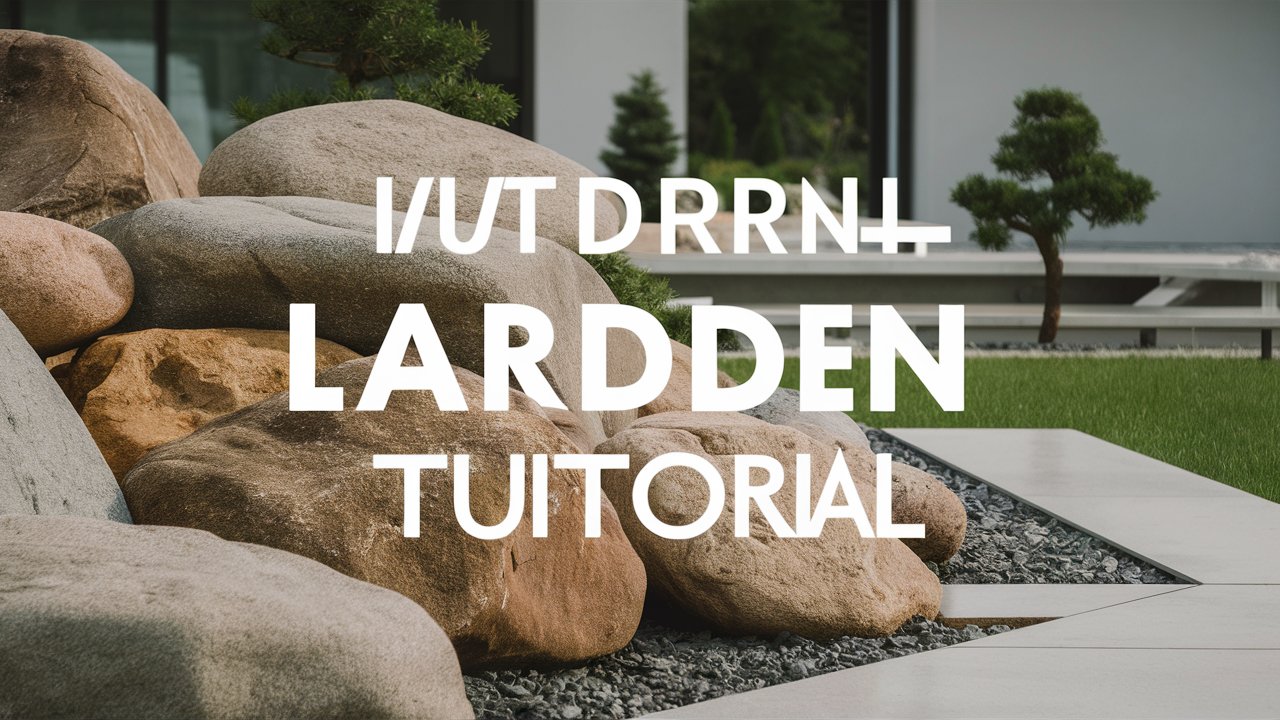
Projecting rocks are more than just natural stones scattered across landscapes—they are versatile elements that enhance both structural integrity and visual appeal in construction and landscaping. Whether used as retaining walls, garden features, or architectural accents, projecting rocks provide a unique combination of strength, durability, and aesthetic charm. In modern design, they serve a dual purpose: functional reinforcement and artistic expression. Understanding the techniques, benefits, and applications of projecting rocks can transform ordinary spaces into remarkable environments while ensuring long-term stability and environmental harmony.
Understanding Projecting Rocks
At its core, projecting rocks refers to stones or boulders that are intentionally positioned or naturally extend outward from a surface. This technique can be observed in architecture, geology, and landscaping. The choice of rock type, size, and placement is crucial, as improper positioning can compromise both safety and visual appeal. Many designers and engineers rely on projecting rocks to achieve naturalistic landscaping, create protective barriers, or emphasize structural elements in buildings and outdoor spaces. These rocks are often chosen for their durability, weather resistance, and unique textures, which make each installation distinct.
Projecting rocks can serve multiple roles in landscaping. They might function as retaining walls, which prevent soil erosion while adding visual depth to a garden. In architecture, projecting rocks can be used to create dramatic entrances, facades, or steps that appear organic and timeless. By integrating these stones into human-made environments, designers blur the line between natural and constructed spaces, creating harmony between functionality and aesthetics.
Techniques for Installing Projecting Rocks
Installing projecting rocks requires careful planning and technique. First, understanding the terrain and soil composition is critical, as it determines the rock’s stability over time. Large boulders may require heavy machinery for placement, while smaller stones can be arranged manually with precision. Techniques such as dry-stacking, where rocks are placed without mortar, are commonly used to achieve a natural look while ensuring strength. Mortar can also be applied for added stability, particularly in architectural applications.
The arrangement of projecting rocks must consider both weight distribution and visual balance. For instance, rocks positioned at varying heights can create an illusion of depth and movement, adding a dynamic quality to gardens or outdoor spaces. Lighting is another crucial factor—proper illumination accentuates textures and shadows, making projecting rocks standout features in both daytime and nighttime settings.
Benefits of Projecting Rocks
The advantages of using projecting rocks extend beyond aesthetics. Structurally, they provide durability and protection against soil erosion, water runoff, and harsh weather conditions. From an environmental perspective, these rocks are sustainable building materials, often sourced locally, reducing transportation emissions and ecological impact. In landscaping, projecting rocks offer flexibility in design, allowing for natural curves, terraces, and elevation changes that would be difficult to achieve with concrete or other artificial materials.
In addition, projecting rocks add significant value to property design. They convey a sense of permanence, sophistication, and natural beauty, making spaces more appealing to homeowners and visitors alike. With proper installation and maintenance, these rocks can last for decades, maintaining both function and visual appeal without frequent replacement.
Applications of Projecting Rocks
-
Landscaping and Gardens: They create focal points, terraces, and natural-looking boundaries that elevate garden design.
-
Retaining Walls: Projecting rocks stabilize slopes and prevent erosion while maintaining a natural aesthetic.
-
Architectural Design: Used in facades, staircases, and outdoor pathways, projecting rocks add texture and visual interest.
-
Water Features: Incorporating projecting rocks in ponds, fountains, and streams enhances naturalistic appeal.
-
Safety and Environmental Protection: Strategically placed rocks can act as barriers along trails, driveways, or riverbanks, preventing accidents and property damage.
By understanding the versatility and practicality of projecting rocks, designers, homeowners, and engineers can create spaces that are both functional and visually captivating.
Conclusion
Projecting rocks are a timeless element in construction, landscaping, and architectural design. They combine durability, natural beauty, and functional versatility, making them a preferred choice for a variety of applications. From stabilizing soil to creating visually striking garden features, these stones offer endless possibilities for innovation and design. By carefully selecting, placing, and maintaining projecting rocks, one can achieve spaces that are safe, sustainable, and aesthetically inspiring. Integrating them thoughtfully into any project not only enhances the structural and visual appeal but also creates a lasting impression of natural elegance.
FAQ: Projecting Rocks
Q1: What are projecting rocks used for?
A: Projecting rocks are used in landscaping, construction, and architectural design to provide structural support, prevent erosion, and enhance aesthetic appeal.
Q2: How do I install projecting rocks safely?
A: Ensure proper assessment of terrain and soil, choose appropriate rock sizes, and use techniques such as dry-stacking or mortar for stability. Heavy machinery may be needed for large boulders.
Q3: Can projecting rocks be used in small gardens?
A: Absolutely. Smaller projecting rocks can create focal points, pathways, and retaining structures that enhance small garden spaces effectively.
Q4: Are projecting rocks environmentally friendly?
A: Yes. They are often sourced locally, require minimal processing, and are sustainable compared to synthetic materials.
Q5: How do I maintain projecting rocks?
A: Regular inspection for stability, cleaning debris, and occasional repositioning of loose stones ensures longevity and aesthetic appeal.