
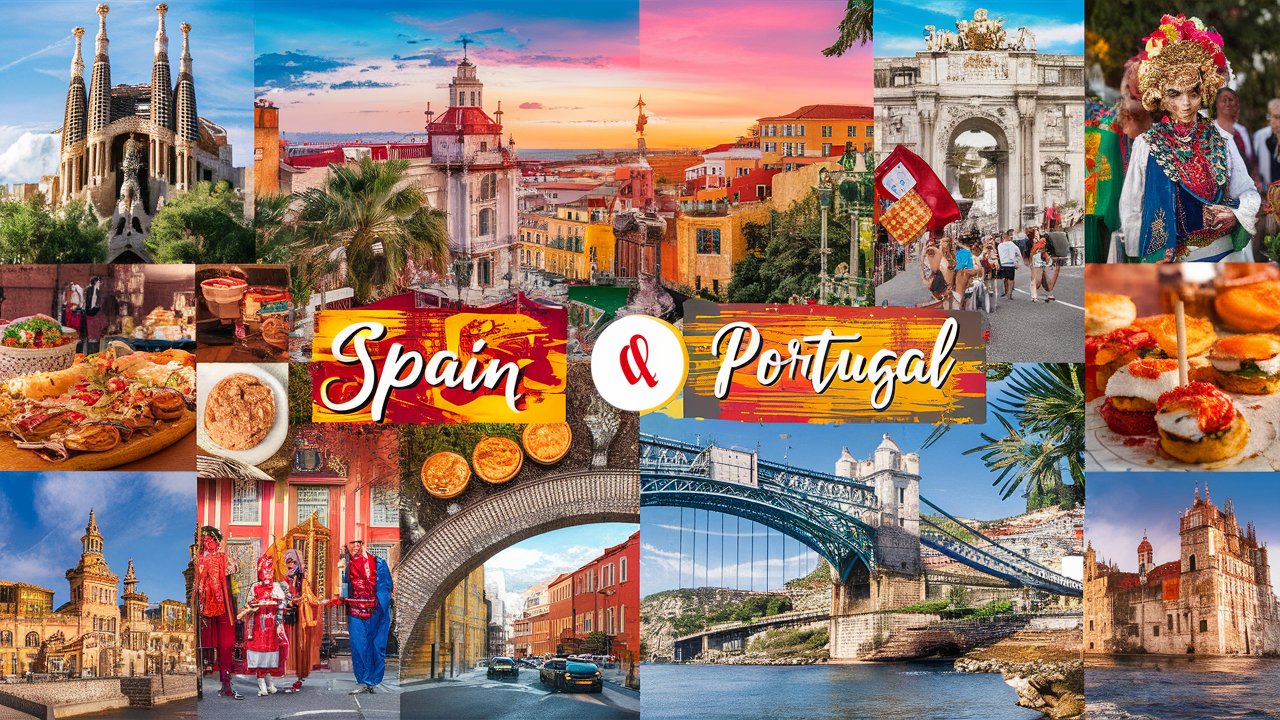
When comparing two of Europe’s most captivating countries, the debate of Spain vs Portugal often sparks passionate discussions among travelers, expats, students, and even football fans. Both nations sit proudly on the Iberian Peninsula and share centuries of intertwined history, maritime exploration, rich cuisine, and Mediterranean charm. Yet despite their geographical closeness, they differ in language, lifestyle, economy, tourism patterns, and even daily rhythm. Understanding these differences is essential whether you are planning a vacation, considering relocation, investing in property, or simply exploring European cultures. This comprehensive guide explores every major aspect of Spain vs Portugal, from history and culture to cost of living, safety, football rivalry, beaches, food traditions, and overall quality of life.
Historical Background and Cultural Identity
The history of Spain and Portugal is deeply connected yet uniquely independent. Spain’s historical identity was shaped by Roman rule, Moorish influence, Christian reconquest, and eventually the formation of a powerful empire that expanded into the Americas. Portugal, while smaller in territory, became one of the greatest maritime powers during the Age of Discovery, establishing trade routes to Africa, Asia, and South America. Although both countries share Iberian roots, their languages evolved differently, with Spanish becoming one of the most spoken languages worldwide and Portuguese spreading across continents through colonization, particularly in Brazil.
Culturally, Spain is often associated with flamenco, bullfighting, grand festivals like La Tomatina, and architectural masterpieces such as the works of Antoni Gaudí. Portugal, on the other hand, is known for Fado music, azulejo tile art, and its nostalgic maritime heritage. The emotional tone of Portuguese culture is often described as “saudade,” a deep sense of longing and reflection, while Spanish culture is commonly perceived as vibrant and energetic. These cultural nuances play a significant role in shaping daily life and national identity.
Spain vs Portugal Cost of Living
One of the most searched topics in the Spain vs Portugal debate is cost of living. Generally, Portugal is considered slightly more affordable than Spain, especially in smaller cities and rural areas. Housing costs in Lisbon have risen significantly in recent years, but many parts of Portugal remain budget-friendly compared to major Spanish cities like Madrid and Barcelona. Groceries, public transportation, and healthcare costs are relatively similar, though Portugal sometimes offers lower rental prices outside prime urban centers.
Spain provides a broader range of city choices, from bustling metropolitan hubs to quiet coastal towns. However, with greater economic diversity comes higher variation in living expenses. For retirees and digital nomads, Portugal often appeals due to tax incentives and relaxed lifestyle options, whereas Spain attracts professionals seeking larger job markets and economic opportunities.
Tourism and Natural Attractions
Tourism is central to both economies, yet each country offers a distinct experience. Spain boasts globally famous cities such as Barcelona, Seville, Valencia, and Madrid, offering architectural brilliance, art museums, and vibrant nightlife. Portugal shines with destinations like Lisbon, Porto, and the Algarve region, known for dramatic cliffs and golden beaches.
Spain’s coastline stretches along the Mediterranean and Atlantic, offering diverse beach environments from the Costa del Sol to the Balearic Islands. Portugal’s Algarve region is famous for its stunning rock formations and surfing culture. While Spain attracts larger tourist crowds and has more extensive infrastructure, Portugal often feels more intimate and less crowded, making it appealing to travelers seeking tranquility.
Food and Culinary Traditions
Cuisine is another highlight when comparing Spain vs Portugal. Spanish food is globally celebrated for tapas, paella, jamón ibérico, and sangria. The concept of sharing small plates creates a social dining atmosphere that reflects Spain’s lively culture. Portuguese cuisine, while sometimes less internationally recognized, offers rich seafood dishes like bacalhau (salted cod), grilled sardines, and the iconic pastel de nata pastry.
Both countries emphasize fresh ingredients, olive oil, and regional diversity. Spain’s culinary landscape is more varied due to its size and regional autonomy, while Portugal’s cuisine is deeply tied to its Atlantic location and seafaring traditions. Wine production is strong in both nations, with Spain being one of the world’s largest wine producers and Portugal known for Port wine.
Safety and Quality of Life
When discussing safety, Portugal frequently ranks among the safest countries in the world, making it highly attractive for families and retirees. Spain is also considered very safe, with low violent crime rates compared to many global destinations. Healthcare systems in both countries are well-developed and accessible, offering high standards of care at affordable costs.
Quality of life depends largely on personal preference. Spain offers vibrant nightlife, larger urban centers, and cultural festivals throughout the year. Portugal provides a slower pace of life, strong community bonds, and scenic coastal living. Climate in both countries is generally warm and sunny, though southern Spain can experience extremely hot summers compared to Portugal’s milder Atlantic-influenced temperatures.
Spain vs Portugal Football Rivalry
The sporting rivalry between Spain and Portugal adds another exciting layer to the comparison. The national teams of Spain national football team and Portugal national football team have faced each other in numerous international tournaments, including the UEFA European Championship and FIFA World Cup. Matches often feature legendary players such as Cristiano Ronaldo for Portugal and Spain’s golden generation including Xavi and Andrés Iniesta.
The rivalry is competitive yet respectful, reflecting shared history and neighboring pride. Football culture in both countries is intense, with Spain known for technical “tiki-taka” style play and Portugal celebrated for strategic discipline and star power.
Which Country Is Better?
There is no universal answer to the Spain vs Portugal debate because the better choice depends on individual priorities. Spain offers diversity in culture, larger cities, and extensive international connectivity. Portugal provides affordability, safety, and a more relaxed atmosphere. For tourists seeking vibrant nightlife and cultural festivals, Spain might be ideal. For retirees and remote workers desiring peace, scenic coastlines, and lower living expenses, Portugal may be more suitable.
Conclusion
The comparison of Spain vs Portugal highlights two extraordinary nations that share geography but differ in personality, lifestyle, and global perception. Spain stands out for its size, economic strength, cultural diversity, and energetic spirit, while Portugal captivates with its safety, affordability, historic charm, and coastal beauty. Whether you are planning a vacation, moving abroad, or simply exploring European cultures, understanding these differences will help you make a more informed decision. Ultimately, both countries offer exceptional quality of life, delicious cuisine, rich history, and unforgettable experiences that make the Iberian Peninsula one of Europe’s most desirable regions.
Frequently Asked Questions (FAQ)
1. Is Spain or Portugal cheaper to live in?
Portugal is generally slightly cheaper, especially outside Lisbon, but major Portuguese cities can be comparable to Spanish urban centers.
2. Which country is safer, Spain or Portugal?
Both are very safe, but Portugal often ranks slightly higher in global safety indexes.
3. Which country has better beaches?
Spain offers more variety due to its larger coastline, while Portugal is famous for dramatic cliffs and world-class surfing beaches.
4. Is Spanish or Portuguese easier to learn?
For English speakers, Spanish is often considered slightly easier due to pronunciation consistency and widespread learning resources.
5. Which country is better for retirement?
Portugal is frequently chosen for retirement because of its lower cost of living, tax benefits, and peaceful environment.