
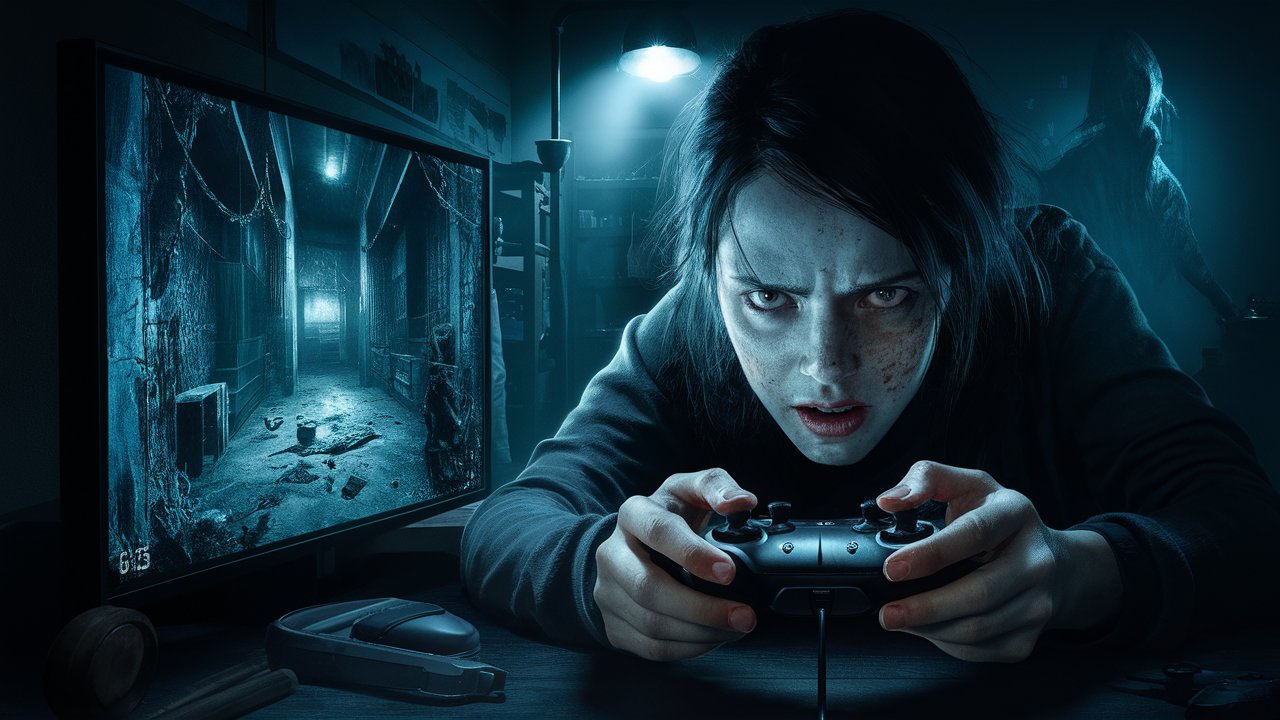
Survival horror games have carved a unique niche in the gaming world by combining fear, strategy, and immersive storytelling into experiences that test both nerves and skill. Unlike conventional action games, survival horror titles place players in situations where resources are scarce, danger is constant, and every decision matters. From the dimly lit corridors of haunted mansions to desolate wastelands crawling with terrifying creatures, these games evoke a sense of tension and vulnerability that keeps players engaged for hours. Whether you are a seasoned gamer searching for the next adrenaline rush or a newcomer curious about why survival horror games are so addictive, understanding their appeal requires a closer look at gameplay mechanics, narrative design, and the psychological effects of fear in gaming.
The Mechanics That Define Survival Horror Games
At the heart of survival horror games lies a unique set of mechanics designed to create tension and challenge. Resource management is a key element—players must carefully balance limited ammunition, health, and tools while navigating environments filled with deadly threats. The deliberate pacing, often slower than typical action games, allows suspense to build naturally, making every encounter with enemies a high-stakes event. In addition to survival strategies, environmental storytelling plays a critical role. Horror game designers meticulously craft eerie atmospheres using lighting, sound design, and visual cues to provoke anxiety and anticipation. Whether it’s a creaking floorboard or a flickering light in a dark hallway, these subtle details elevate the experience from mere gameplay to psychological immersion.
Popular Survival Horror Games You Must Try
Over the years, several survival horror games have become iconic, earning devoted followings and critical acclaim. Titles like Resident Evil, Silent Hill, and Dead Space have defined the genre by combining terrifying narratives with innovative gameplay mechanics. Modern entries, including The Last of Us series and Alien: Isolation, expand upon classic foundations, offering sophisticated AI, cinematic storytelling, and realistic environments that heighten immersion. Indie games have also made their mark; titles such as Amnesia: The Dark Descent and Phasmophobia focus on psychological horror and cooperative fear, proving that the genre thrives on creativity and experimentation as much as it does on high-end graphics.
Why Survival Horror Games Are So Addictive
The allure of survival horror games is multifaceted. Fear triggers adrenaline, enhancing focus and emotional engagement, which makes accomplishments feel more rewarding. These games often balance tension with brief moments of relief, creating a rollercoaster of emotions that players crave. Moreover, the narrative depth of many survival horror titles allows players to connect with characters, making their struggle for survival deeply personal. Social aspects, such as sharing scary experiences with friends or streaming gameplay online, amplify the enjoyment and create a sense of community among horror enthusiasts. In essence, survival horror games succeed because they combine fear, strategy, and storytelling in ways few other genres can match.
Conclusion:
Survival horror games continue to captivate players because they engage both the mind and emotions, offering experiences that are thrilling, immersive, and often unforgettable. From carefully designed mechanics and gripping storylines to unpredictable scares and atmospheric tension, these games provide more than entertainment—they offer an adrenaline-fueled journey into fear itself. Whether exploring haunted mansions, surviving zombie outbreaks, or confronting alien horrors, gamers are drawn to survival horror titles for their unique ability to blend challenge with suspense. As technology and storytelling techniques evolve, the genre promises even more terrifying and unforgettable adventures for players seeking the ultimate test of courage and skill.
FAQ: Survival Horror Games
Q1: What defines a survival horror game?
A survival horror game is a type of video game that emphasizes fear, limited resources, and strategic gameplay. Players often face life-or-death situations, requiring careful planning and resource management to survive against formidable enemies.
Q2: Are survival horror games suitable for all ages?
Most survival horror games are rated for mature audiences due to graphic violence, psychological horror, and intense suspense. It is important to check ratings like ESRB or PEGI before playing.
Q3: Which are the best modern survival horror games?
Modern hits include Resident Evil Village, The Last of Us Part II, Alien: Isolation, and indie gems like Amnesia: Rebirth and Phasmophobia.
Q4: Do survival horror games improve gaming skills?
Yes. They enhance strategic thinking, resource management, problem-solving, and reflexes, as players must plan carefully and respond to threats under pressure.
Q5: Are survival horror games only for horror fans?
Not necessarily. Even players who don’t usually enjoy horror can find these games engaging due to their immersive storytelling, suspenseful gameplay, and strategic challenges.